 InkAI
InkAI 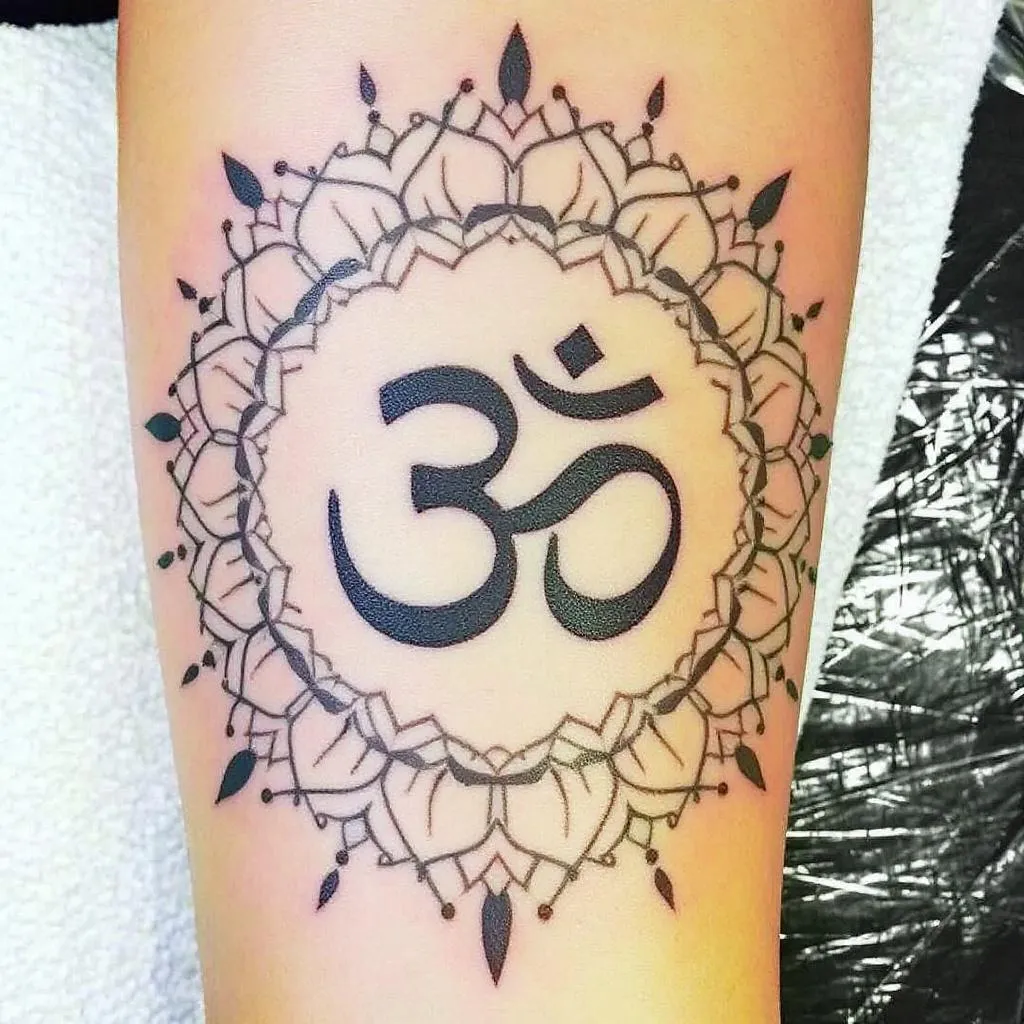
Ornamental, Mandala, Spiritual Tattoo
Forearm placement
✨ Design Your Dream TattooDesign Description
tengo ya un tatuaje de om en el brazo, quiero complementarlo con una estetica dle tipo, tenia pensado un aura alrededor o un tipo de ornamentos tipo mandala que te enviaré ahora para que mas o menos veas el concepto, no quiero un diseño enorme ya que no me quiero tatuar mucho pero lo quiero complementar con una estetica del tipo, te pasare 2 fotos para que veas el tipo de ornamentos o estetia que quiero alrededor, como si del om emanaran el aura y la estetica esta asi ornamental tipo mandala pero sin ser muy grande, incluso un poco tirando para el codo si se puede, a ver que me puedes generar con todo esto. Veras que las imagenes no tienen que ver con mi tattoo, pero es para que tengas la estetica que quiero en mente
Tattoo Meaning & Symbolism
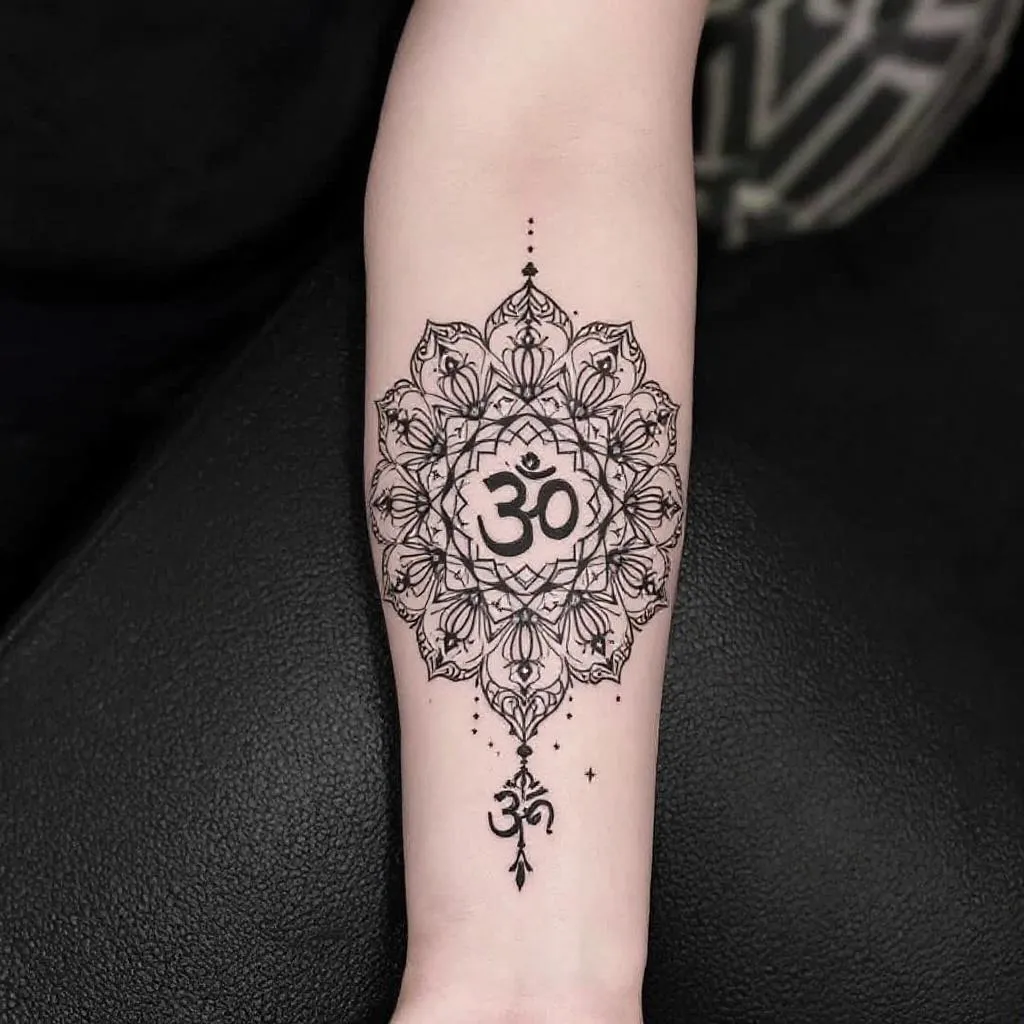
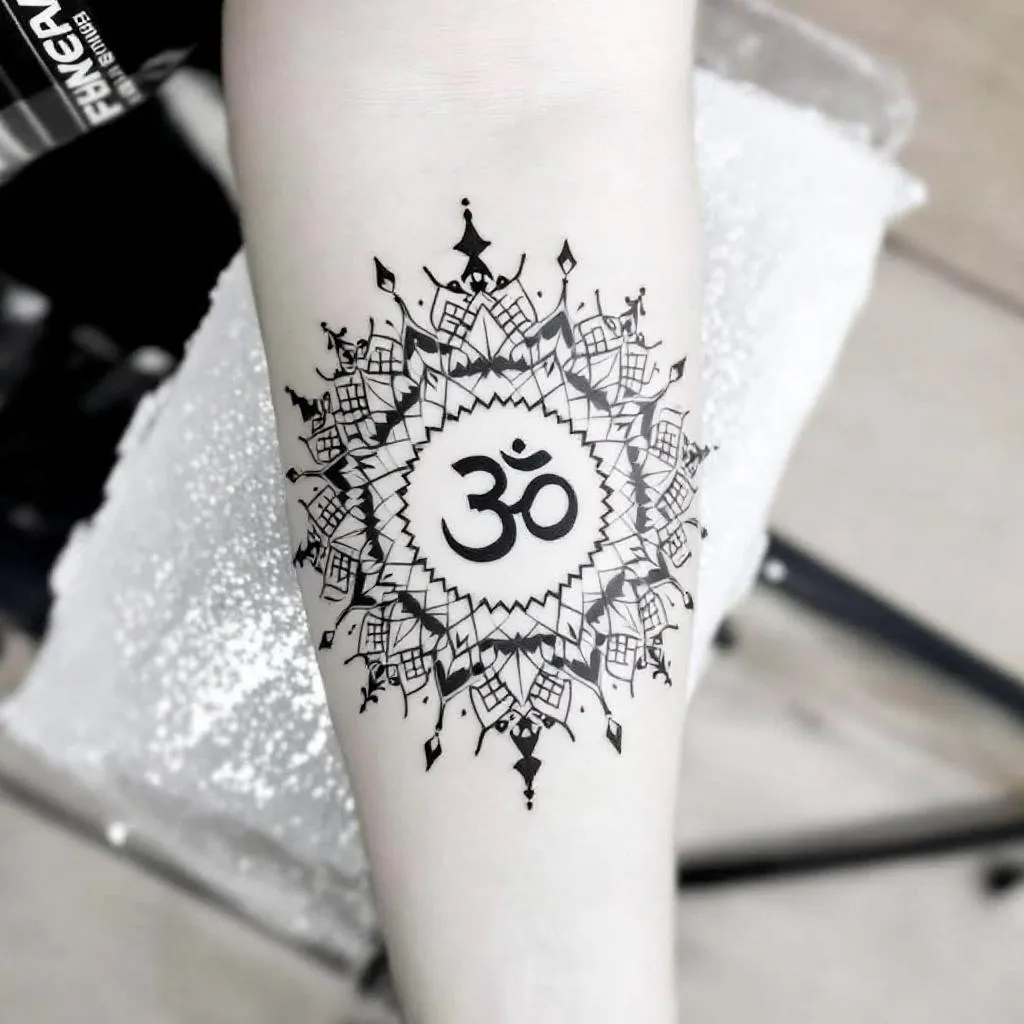
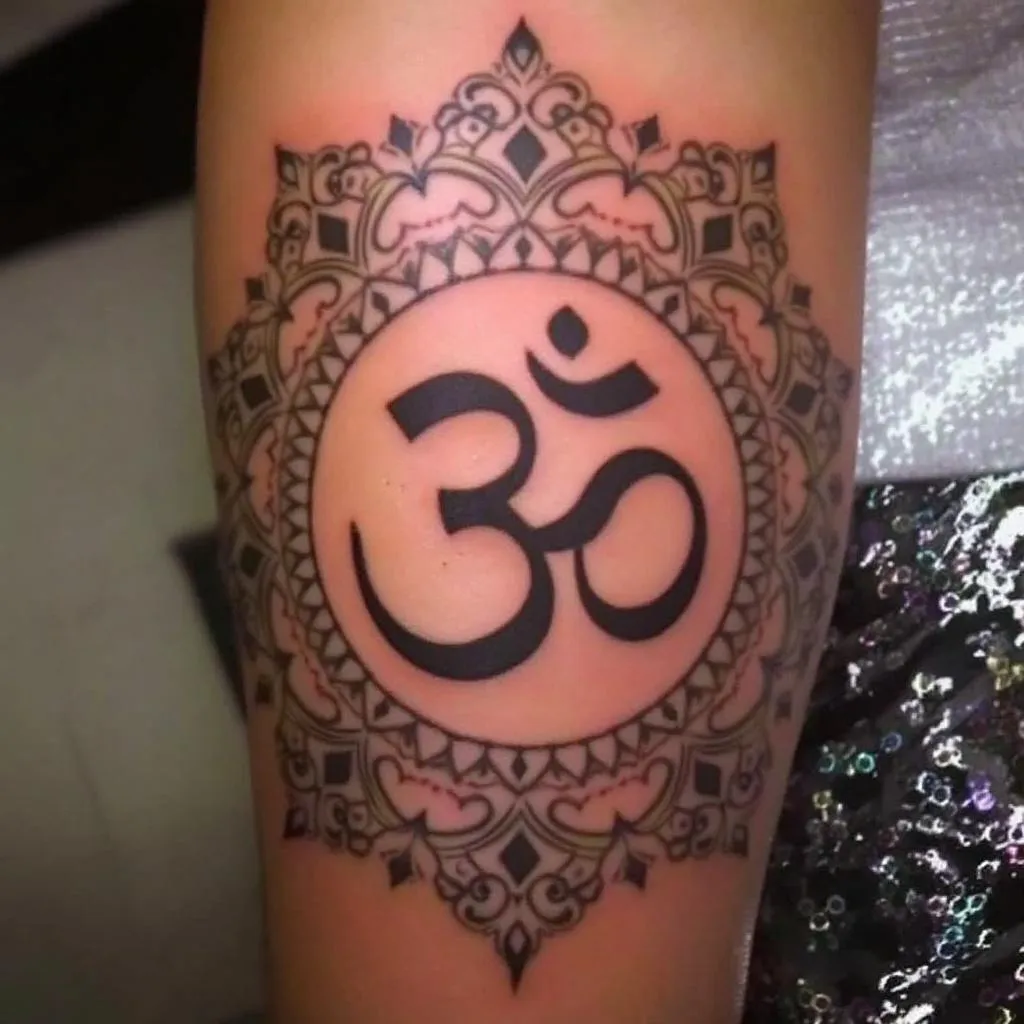
Centering an aura and small mandala-style ornaments around your existing Om amplifies the symbol’s original meaning of cosmic vibration, unity and inner silence. The Om remains the focal seed; the emanating aura suggests its sound extending outward as life force — a visible representation of resonance, protection and presence. Fine lotus petals or petal-like mandala rings around the Om read as purity and spiritual opening, while radiating dotwork or thin rays represent subtle energy fields and ongoing growth rather than a static emblem.
Because you want the design modest in scale and slightly extending toward the elbow, that placement adds an extra layer of symbolism: movement, flexibility and the unfolding of practice. A partial mandala that arcs toward the elbow can feel like the Om is “breathing” along your arm — contained but alive, private yet visibly present.
Tattoo Style & Placement
For this concept, the most harmonious styles are fine-line ornamental and dotwork black-and-grey, possibly with a very restrained color wash (saffron or indigo highlight) if you want subtle contrast. Keep line weights delicate (very fine outlines for filigree, micro-dot gradients for the aura) so the new work complements rather than overwhelms the existing Om. Tiny negative-space breaks in the ornament will preserve clarity when the design is small.
Placement recommendation: integrate the halo directly around your current Om on the forearm so the new elements feel like an organic extension. Aim for an outer-diameter of roughly 6–9 cm for the full halo if the goal is modest size; alternatively, a half- or quarter-mandala that arcs toward the elbow can be 3–4 cm deep from the Om outward and taper as it reaches the elbow crease. This keeps the piece compact while using the elbow movement to animate the pattern. Avoid heavy detail directly over the elbow crease; instead let the ornament thin out and flow with the arm’s curvature.
Personal & Cultural Significance
Om is a sacred syllable in Hindu and Buddhist traditions, signifying the source vibration of the universe and a tool for meditation. Surrounding it with a mandala-style aura connects personal practice to a universal map — the mandala historically symbolizes wholeness and the meditational journey toward the center. Choosing a restrained, respectful ornamentation preserves the symbol’s sanctity while making it personally meaningful: the halo can act as a daily reminder of centeredness, and the ornamental band toward the elbow can represent an ongoing path rather than a finished story.
Because this is a cultural and spiritual symbol, small practical considerations matter: keep the script and sacred geometry clean and accurate, and work with an artist who understands the iconography so the result is both visually pleasing and culturally sensitive.
Similar Tattoo Ideas
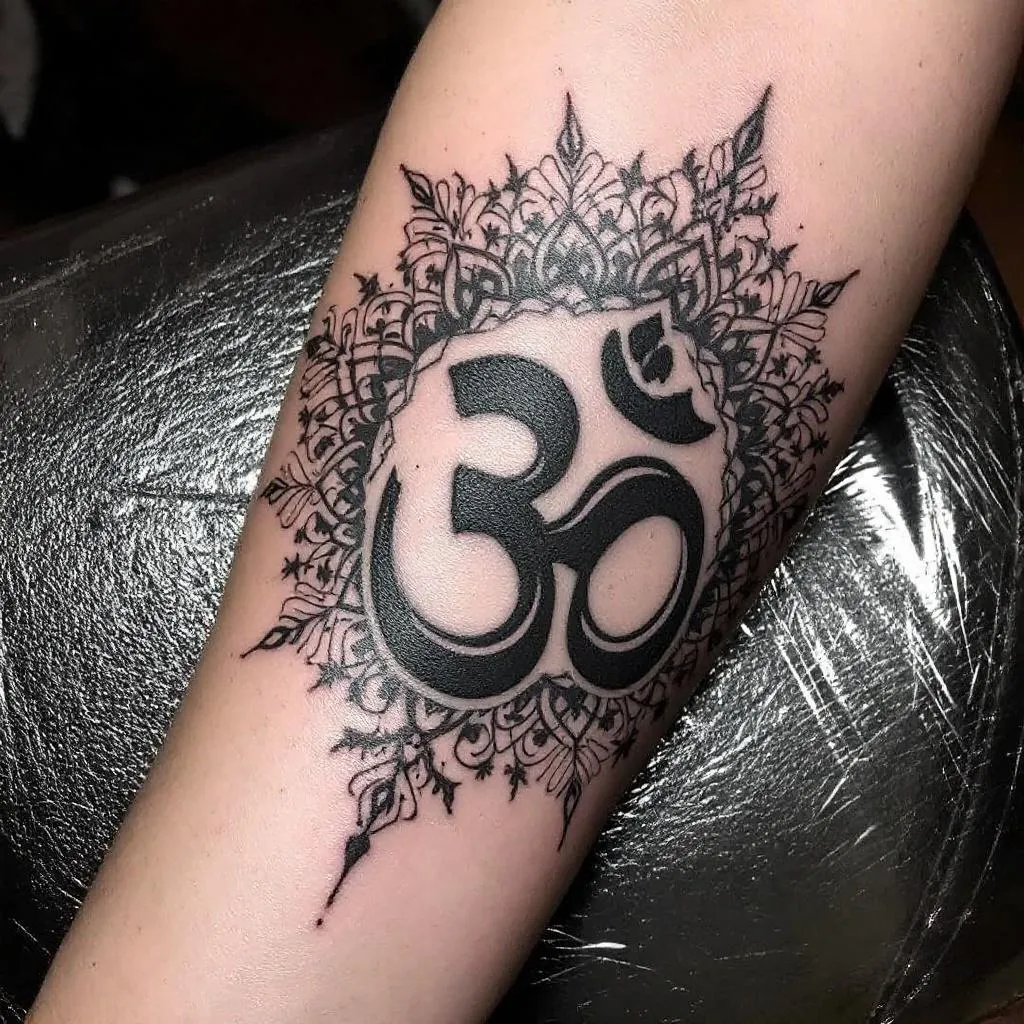
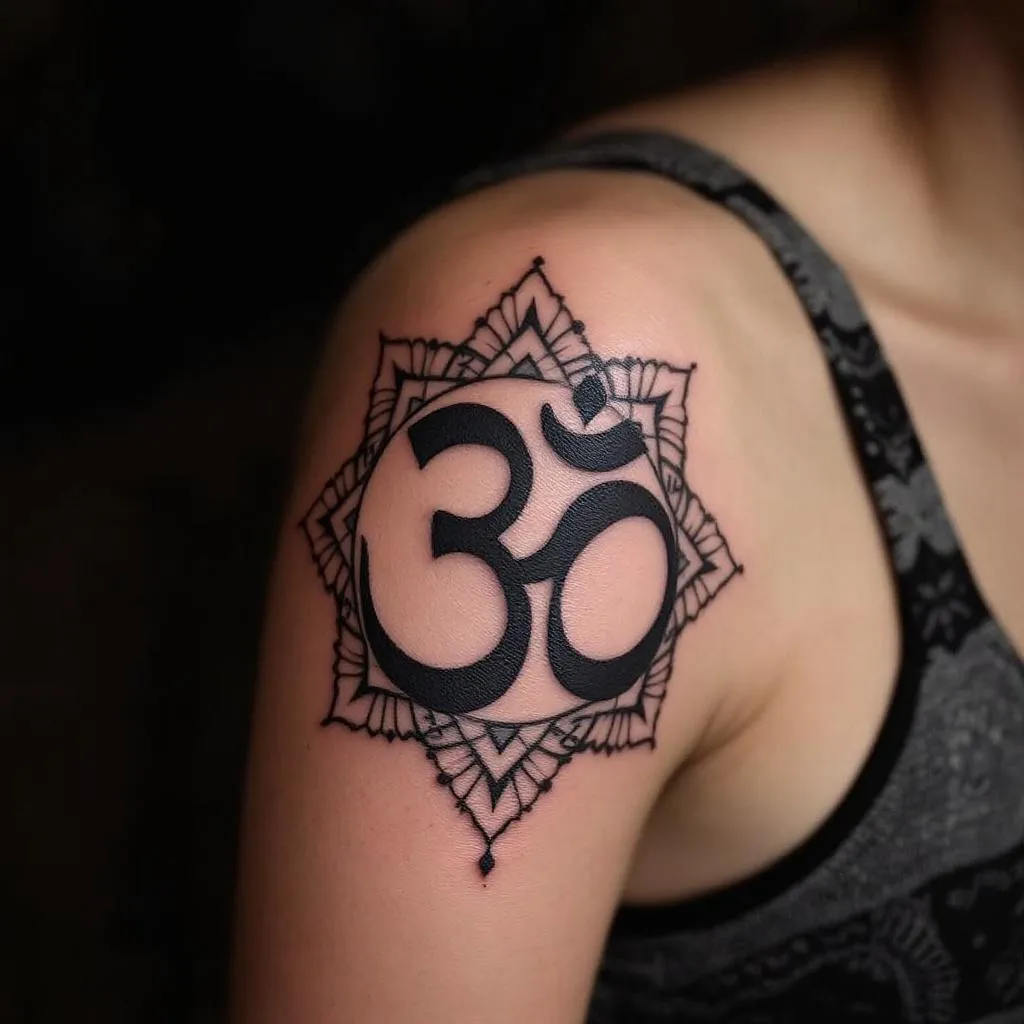
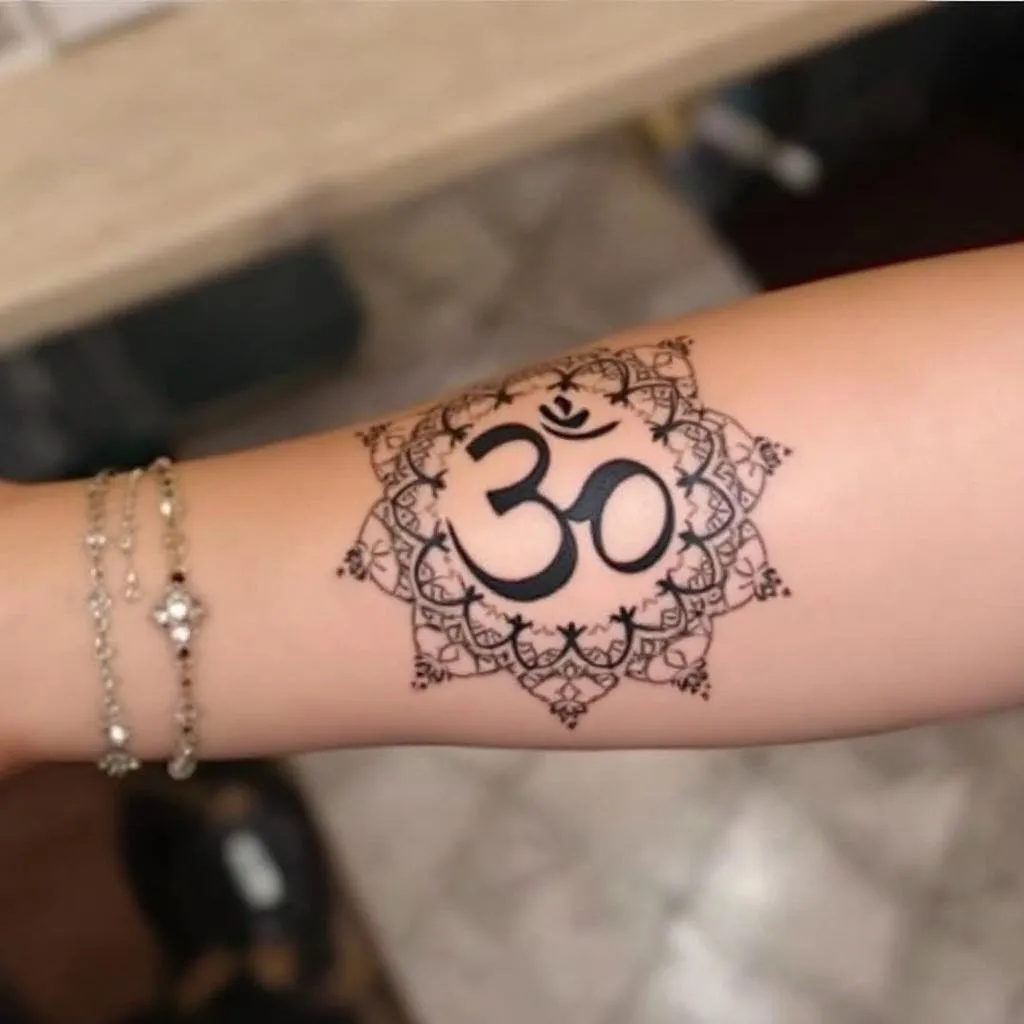
- Om with a small dotted halo and single-ring lotus petals
- Om with a quarter mandala arc that wraps toward the elbow (minimal filigree)
- Om with radiating fine-line rays and beadwork chain to the elbow
- Om centered in a tiny seed-of-life halo rendered in micro-dotwork
- Om with subtle saffron wash aura and thin geometric ornament
- Om with asymmetric mandala band that follows the arm’s curve
- Om with a minimalist sun halo and spaced negative-space petals
- Om with a graduated dotwork aura fading toward the elbow crease
Conclusion
This complementary design—an understated aura and ornamental mandala-style elements—will enhance your existing Om without becoming a large piece. For next steps, bring clear photos of your current tattoo and the two ornament references you mentioned so a stencil can show exact scale and flow on your arm. Practical suggestions: aim for a 6–9 cm outer halo if you want a visible but modest piece, or a 3–4 cm quarter-wrap if you prefer subtler addition toward the elbow. Expect a short session (30–90 minutes) depending on detail and whether color is used. When you send the images, I can translate those ornamental motifs into a tight, respectful design that keeps the Om at the heart of the composition and ensures the new work moves naturally with your arm.
Similar Designs You Might Like
Try On
Preparing your design...
